Drain Repairs vs Drain Relining: Which Option is Best for Your Cambridge Home?
When it comes to damaged drains, many Cambridge homeowners face the question of whether to opt for traditional drain repairs or the modern alternative of no-dig drain relining. Both methods have their place, but understanding the differences, benefits, and limitations can help you make a more informed decision.
In Cambridgeshire, where older properties often have ageing drainage systems, choosing the right repair approach is important not only for fixing current issues but also for preventing future problems. This guide aims to clarify what each option involves and how to determine the best choice for your home.
What is Traditional Drain Excavation Repair?
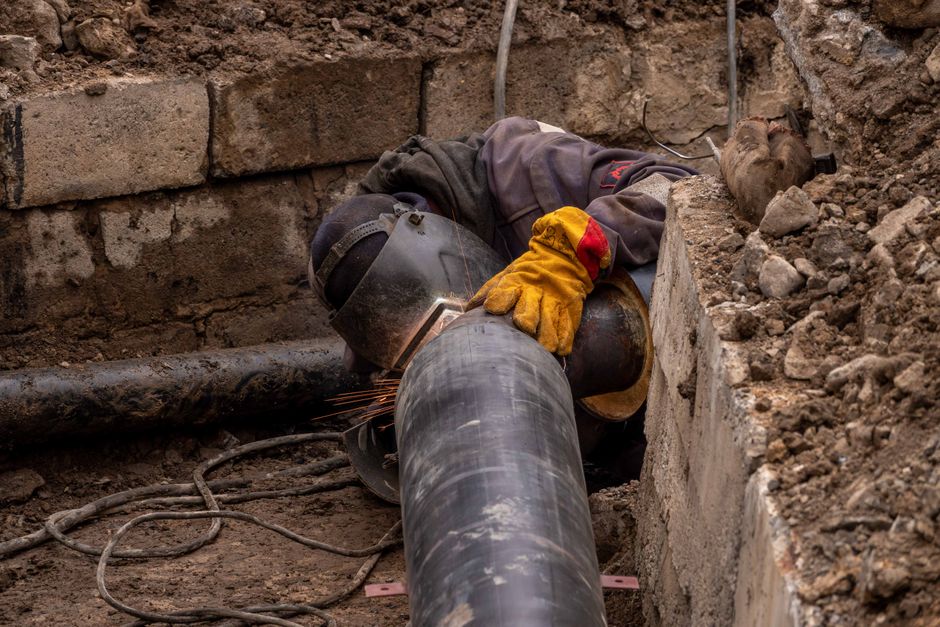
Traditional drain repair typically involves locating the damaged section of a pipe and excavating the surrounding soil to access and replace or repair the affected area. This method has been the go-to solution for decades and is especially useful when there are large cracks, breaks, or collapsed pipe sections.
In Cambridge and the surrounding towns like Ely and Newmarket, older properties often have clay or cast iron drainage systems that can suffer from root intrusion or ground movement. Excavation allows for a thorough inspection and the ability to completely remove damaged pipes, but it can be disruptive and time-consuming.
Homeowners should expect some disturbance to gardens, driveways, or paths during excavation repairs. While it can be more invasive, traditional repairs provide a permanent solution in situations where the pipe is severely damaged or has significant structural failure.
Understanding No-Dig Drain Relining
No-dig drain relining is a trenchless repair method that involves inserting a resin-saturated liner into the existing damaged pipe. The liner is then inflated, cured, and hardens to form a new, durable pipe within the old pipe. This technique avoids digging up the ground, which is especially beneficial in urban areas like Cambridge where space is limited.
Drain relining is ideal for cracks, small holes, or leaks without full collapses. It preserves the surrounding landscape and reduces repair times significantly. For homeowners in settlements like Histon and Great Shelford, this less disruptive method means less impact on gardens, paved areas, and driveways.
However, the effectiveness of relining depends on the condition of the original pipe. If the existing pipe is too badly damaged or blocked, relining might not be suitable and excavation may still be necessary.
Advantages of Traditional Excavation Repair
One of the key advantages of traditional drain excavation is that it allows for a complete replacement of the damaged pipe. This makes it a reliable choice for severe cases such as pipe collapses, large fractures, or extensive root damage, which are not easily fixed by lining.
Excavation also provides the opportunity to inspect the pipe physically, remove blockages, and address any adjacent drainage issues. This thorough approach can be important in Cambridgeshire’s older homes where drainage layouts may be complex or unknown.
While it involves more disruption to your property, excavation repairs can sometimes be more cost-effective in the long term if the damage is too severe for relining to be effective.
Advantages of No-Dig Drain Relining
Drain relining offers minimal disturbance to your property, which is a significant benefit for homeowners in Cambridge’s built-up areas or those with well-established lawns and patios. It reduces the need for heavy machinery and extensive groundwork.
In most cases, relining can be completed faster than traditional repairs, often within a day. This means less inconvenience and disruption to daily life, which is particularly welcome if you live in busy areas such as Trumpington or Cherry Hinton.
The new liner is durable and resistant to root intrusion, which helps to extend the life of your drainage system. Additionally, relining can preserve the original pipe’s alignment and gradient, which are critical for proper drainage flow.
Drawbacks of Traditional Excavation and Relining
Traditional excavation is inevitably disruptive and can be costly due to the labour and restoration work required. Excavating near properties in Cambridgeshire towns like Sawston or Cottenham might require special permissions if public footpaths or shared spaces are affected.
Relining, while less invasive, is not suitable for all damage types. Pipes with severe distortion, complete collapses, or heavy blockages may not accept a liner properly, making excavation necessary. Also, relining can sometimes result in a slightly reduced internal pipe diameter.
Homeowners should consider these drawbacks in relation to the extent of the damage and the location of the drain when deciding the most appropriate solution.
How to Decide Which Method Suits Your Damaged Drain
The first step is a thorough drain survey, often done using CCTV cameras to assess the extent and type of damage without excavation. This technology has become widely available in Cambridgeshire and helps pinpoint the problem accurately.
If the damage is minor to moderate – such as small cracks or leaks – no-dig relining is often recommended due to its efficiency and minimal disruption. For severe damage, like collapsed pipes or extensive root damage common in older properties around Fulbourn or Waterbeach, excavation may be necessary.
Consulting a qualified local drainage specialist familiar with the soil types and typical drainage issues in the Cambridge area can ensure the repair method chosen is both effective and sensitive to your property’s needs.
Local Considerations for Drain Repairs in Cambridgeshire
Properties in Cambridge and nearby towns often have varying drainage system ages and materials that affect repair choices. Older homes in places like Milton or Great Shelford may have clay pipes prone to cracking, whereas newer areas might have PVC systems.
The Cambridgeshire climate, with its wet winters, makes prompt attention to drainage issues crucial to avoid flooding or subsidence. Local ground conditions, such as clay soils around Newmarket, can also cause pipe displacement and root ingress.
Understanding these local factors can help homeowners prepare for the likely repair method and potential challenges, ensuring long-lasting results for your drainage system.
Need a drainage expert in Cambridge?
Call 01223 660180